
GET INFORMED
WHY IS CONSTRUCTION THE MOST AT-RISK INDUSTRY FOR SUICIDE PREVENTION?
Male-dominated industries tend to have more suicides. The macho, tough guy and stoic nature of construction workers can even discourage those who are most at risk for suicide from seeking help. Men, especially white men in their early 20s through their 50s, account for the bulk of suicides.
According to the
Bureau of Labor Statistics, 97 percent of the U.S. construction workforce is male, and according to the American Foundation for Suicide Prevention, 38 percent of construction workers in the U.S. in 2018 were between the ages of 45 and 64.
With their mission-oriented mindsets, many veterans choose construction as a career. With an estimated 22 suicides per day, veterans are also at a higher risk of suicide than the general population.
Moving from site to site can create an environment in which workers are not as connected to their families, each other, or a workplace community. Coupled with working long or irregular hours, sleep patterns can be impacted, causing sleep deprivation and mental and physical exhaustion.
Layoffs due to seasonal work or economic downturns can have significant consequences. Not only does this increase the stress related to loss of income, but job loss also means employees may lose medical benefits and/or access to Employee Assistance Programs (EAPs). Additionally, the physical demands of construction work take a toll on the body and can cause physical or even chronic pain, which may lead to self-medication (with drugs, alcohol, or opioids). Opioid abuse is linked to an increased likelihood of a suicide attempt.

Male-dominated industries tend to have more suicides. The macho, tough guy and stoic nature of construction workers can even discourage those who are most at risk for suicide from seeking help. Men, especially white men in their early 20s through their 50s, account for the bulk of suicides.
According to the
Bureau of Labor Statistics, 97 percent of the U.S. construction workforce is male, and according to the American Foundation for Suicide Prevention, 38 percent of construction workers in the U.S. in 2018 were between the ages of 45 and 64.
With their mission-oriented mindsets, many veterans choose construction as a career. With an estimated 22 suicides per day, veterans are also at a higher risk of suicide than the general population.
Moving from site to site can create an environment in which workers are not as connected to their families, each other, or a workplace community. Coupled with working long or irregular hours, sleep patterns can be impacted, causing sleep deprivation and mental and physical exhaustion.
Layoffs due to seasonal work or economic downturns can have significant consequences. Not only does this increase the stress related to loss of income, but job loss also means employees may lose medical benefits and/or access to Employee Assistance Programs (EAPs). Additionally, the physical demands of construction work take a toll on the body and can cause physical or even chronic pain, which may lead to self-medication (with drugs, alcohol, or opioids). Opioid abuse is linked to an increased likelihood of a suicide attempt.
WHAT CAN YOU DO?
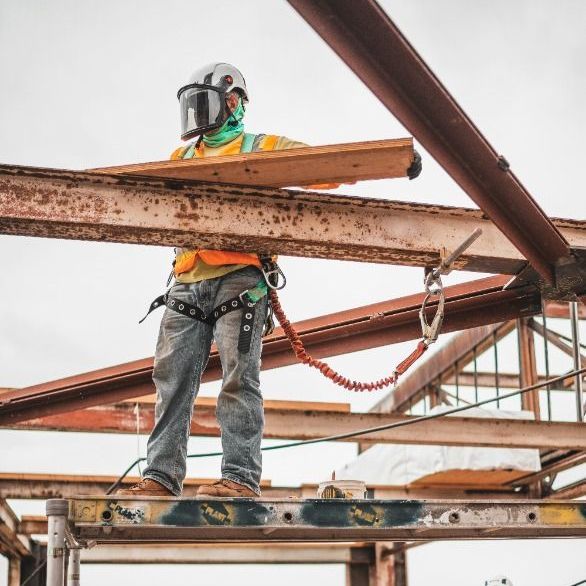
Whether you are a construction owner, executive, manager, supervisor, or field laborer, you can make a difference. There are practical steps you can take to help save lives. Raising awareness about mental health and suicide prevention is necessary, but it’s not enough to create a cultural change. This article demonstrates the need and impact of Breaking Down the Stigma: Prioritizing Mental Health in Construction.
WHERE DO YOU BEGIN?
Whether your organization has taken the pledge to STAND up for suicide prevention, or if you’re just learning about the critical need to address suicide prevention in construction, CIASP has compiled tools and resources to help integrate suicide prevention into your company’s culture as a safety and health priority.
This
Needs Analysis & Implementation Tool was developed by the Construction Industry Alliance for Suicide Prevention (CIASP) to aid companies in evaluating how they address mental health and suicide prevention in the construction workplace. It will also help determine how prepared they and their employees are to handle a mental health or suicide crisis.
This Tool is best utilized as a team with representatives from all facets of the organization. The key items to remember are:
1) Suicide prevention should not be a separate program—it is most effective when integrated into multiple existing programs and processes within the organization. Think about it being baked in—not bolted on.
2) Suicide prevention should not be one person’s responsibility – leadership should come from multiple sources. This not only ensures broad integration but more complete buy in.
3) Doing something is better than doing nothing. Start with one action step and build on that! The tool is made up of questions for self-evaluation as a leadership team accompanied by some suggestions of action steps you can take to improve your preparedness. Each action item has a place to identify who is responsible—a person or a function within the company, but also who else do they need to get involved for maximum effectiveness. It is organized by the principles of our STAND pledge and the activities that help your organization to fully adopt the 5 principles: Safe. Training. Awareness. Normalizing. Decrease.
THREE LEVELS OF INTEGRATING SUICIDE PREVENTION
3
Levels of Integrating Suicide Prevention in Your Company
Then, the three-level document provides clear and simple steps to help your company address suicide prevention:
1
Includes basic steps toward establishing a program to address employee mental health and suicide prevention.
2
Grows the initial steps into a deeper commitment to the process.
3
Outlines steps to create a company wide culture to address mental health and suicide prevention.
“Start the conversation with the CIASP Needs Analysis & Implementation Tool. It guides your discussion and builds an effective implementation plan. Every culture is different—use the tool to design a plan that best fits your organization and incorporates protective factors.”
-- Joe Xavier
Senior Director of Health and Safety
ABC- Associated Builders and Contractors
WHERE DO YOU BEGIN?
Whether your organization has taken the pledge to STAND up for suicide prevention, or if you’re just learning about the critical need to address suicide prevention in construction, CIASP has compiled tools and resources to help integrate suicide prevention into your company’s culture as a safety and health priority.
This
Needs Analysis & Implementation Tool was developed by the Construction Industry Alliance for Suicide Prevention (CIASP) to aid companies in evaluating how they address mental health and suicide prevention in the construction workplace. It will also help determine how prepared they and their employees are to handle a mental health or suicide crisis.
This Tool is best utilized as a team with representatives from all facets of the organization. The key items to remember are:
1) Suicide prevention should not be a separate program—it is most effective when integrated into multiple existing programs and processes within the organization. Think about it being baked in—not bolted on.
2) Suicide prevention should not be one person’s responsibility – leadership should come from multiple sources. This not only ensures broad integration but more complete buy in.
3) Doing something is better than doing nothing. Start with one action step and build on that! The tool is made up of questions for self-evaluation as a leadership team accompanied by some suggestions of action steps you can take to improve your preparedness. Each action item has a place to identify who is responsible—a person or a function within the company, but also who else do they need to get involved for maximum effectiveness. It is organized by the principles of our STAND pledge and the activities that help your organization to fully adopt the 5 principles: Safe. Training. Awareness. Normalizing. Decrease.
THREE LEVELS OF INTEGRATING SUICIDE PREVENTION
3
Levels of Integrating Suicide Prevention in Your Company
Then, the three-level document provides clear and simple steps to help your company address suicide prevention:
1
Includes basic steps toward establishing a program to address employee mental health and suicide prevention.
2
Grows the initial steps into a deeper commitment to the process.
3
Outlines steps to create a company wide culture to address mental health and suicide prevention.
“Start the conversation with the CIASP Needs Analysis & Implementation Tool. It guides your discussion and builds an effective implementation plan. Every culture is different—use the tool to design a plan that best fits your organization and incorporates protective factors.”
-- Joe Xavier
Senior Director of Health and Safety
ABC- Associated Builders and Contractors
Request a Speaker
Lorem ipsum dolor sit amet consectetur. Lobortis cursus pharetra luctus id varius parturient. Auctor eget eget massa augue. Suscipit lobortis scelerisque sed pulvinar. Tellus in ultricies nec vitae mattis ante consectetur.