
The Portland Community Roundtable on Workforce Well-Being was never intended to be a one-time event.
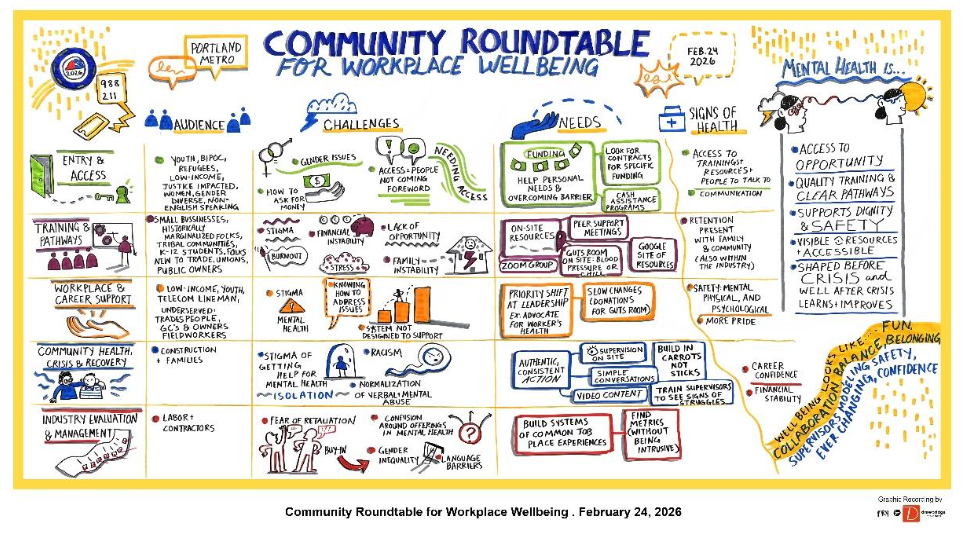
From the beginning, it was designed as a pilot to test a format that could be used in other regions to strengthen connections between the construction industry and the organizations that support its workforce.
The goal was simple:
Create a space where the right people could have the right conversation and leave with something they could act on.
What Made the Model Work
Several elements were critical to the success of the Portland roundtable:
1. Start with local, direct-service organizations
The most important decision was who was in the room. This wasn’t just a group of industry leaders - it included organizations actively serving workers through recovery programs, community-based support, training pathways, and health services.
That grounded the conversation in real conditions, not assumptions.
2. Bring together the full workforce lifecycle
Participants represented entry programs, training providers, employers, and community health organizations.
This allowed people to see not just their role - but how their work connects (or doesn’t) to others.
3. Use a simple structure to guide the conversation
The workforce lifecycle framework gave participants a way to organize their thinking and quickly identify gaps, overlaps, and opportunities for connection.
4. Design for interaction, not presentation
This was not a panel. The value came from small group discussions, shared prompts, and direct conversation between participants.
5. Focus on actionable outcomes
Participants weren’t just asked to share ideas - they were asked to identify what they could do next.
This shifted the conversation from awareness to action.
Why This Approach Matters
The construction industry has no shortage of resources, programs, or conversations about mental health.
What’s often missing is connection - especially connection to the organizations already serving workers every day.
Connection between people.
Connection between employers and local resources.
Connection between systems that too often operate in isolation.
Improving workforce wellbeing means addressing not just mental health, but the conditions that shape it and the people impacted when those conditions fail.
Looking Ahead
The Portland roundtable was just the beginning.
The next step is to strengthen these connections so that support is not just available, but accessible, trusted, and used.
For the Construction Industry Alliance for Suicide Prevention, this work aligns directly with the mission to provide resources, reduce stigma, and drive meaningful change across the industry. It also reinforces the need to elevate and integrate the work of local, workforce-serving organizations as part of any effective approach.
The opportunity to improve workforce wellbeing is not about creating something new.
It’s about connecting what already exists and making it work for the people who need it most.
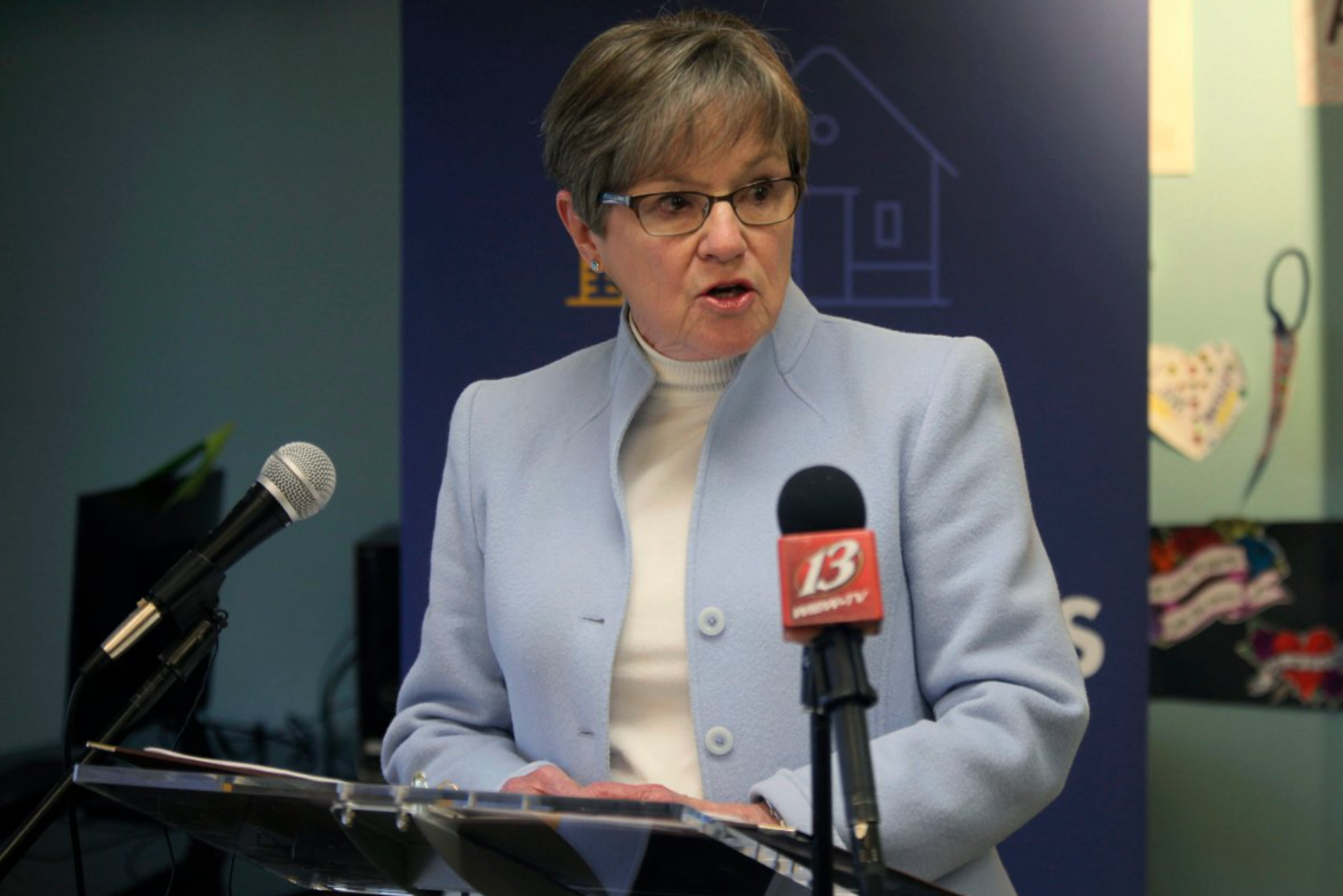


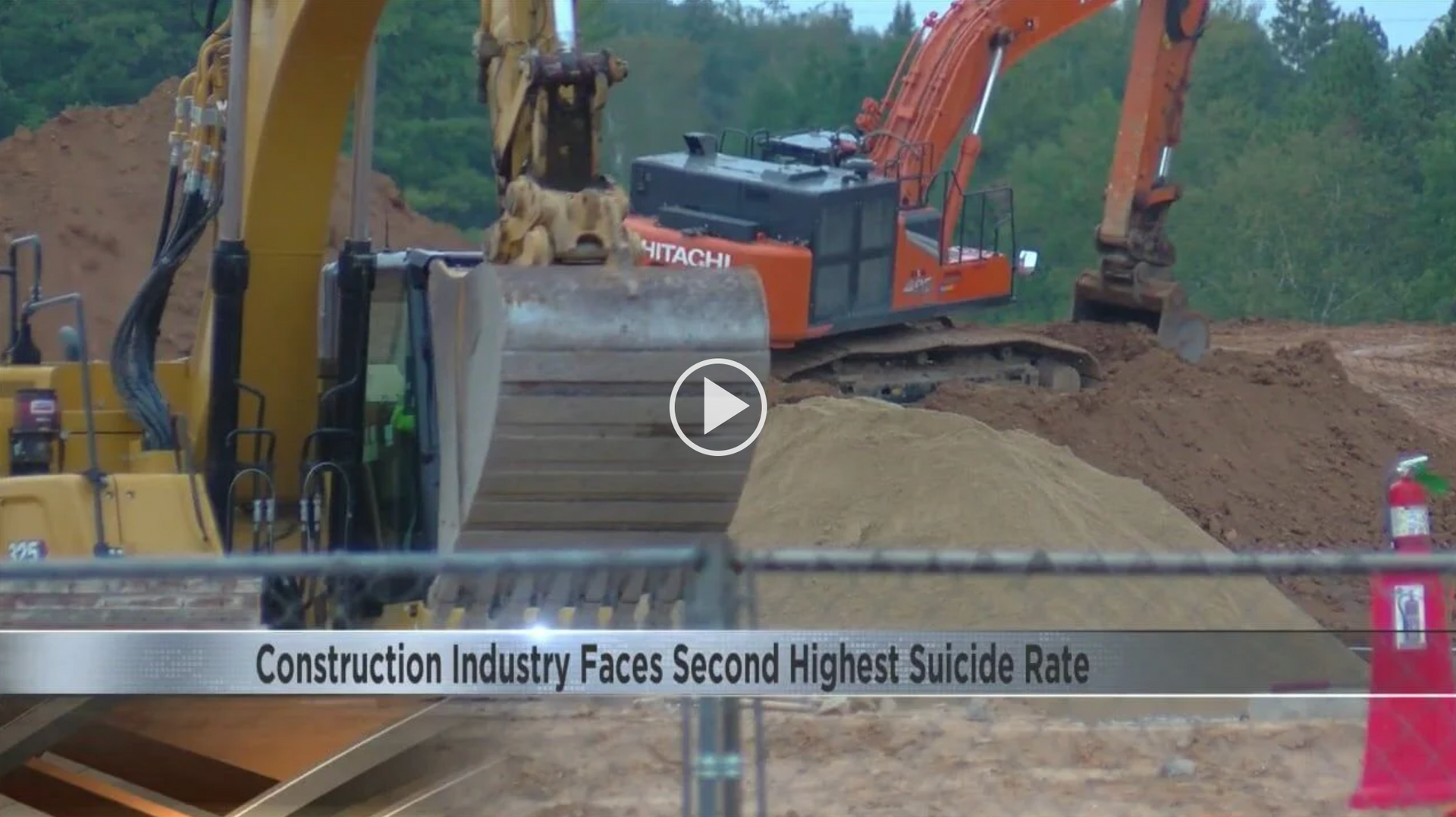
Construction industry faces one of the highest suicide rates, leaders say conversations change lives