
By Stuart Binstock
I retired about three years ago from my role as CEO of the Construction Financial Management Association (CFMA). Retirement, however, was never going to mean sitting in a recliner and watching the days pass. I wanted to continue doing meaningful work. So when my colleagues at the Construction Industry Alliance for Suicide Prevention (CIASP) invited me to return to the board, I immediately said yes. It was an opportunity to continue more than a decade of supporting suicide prevention in the construction industry.
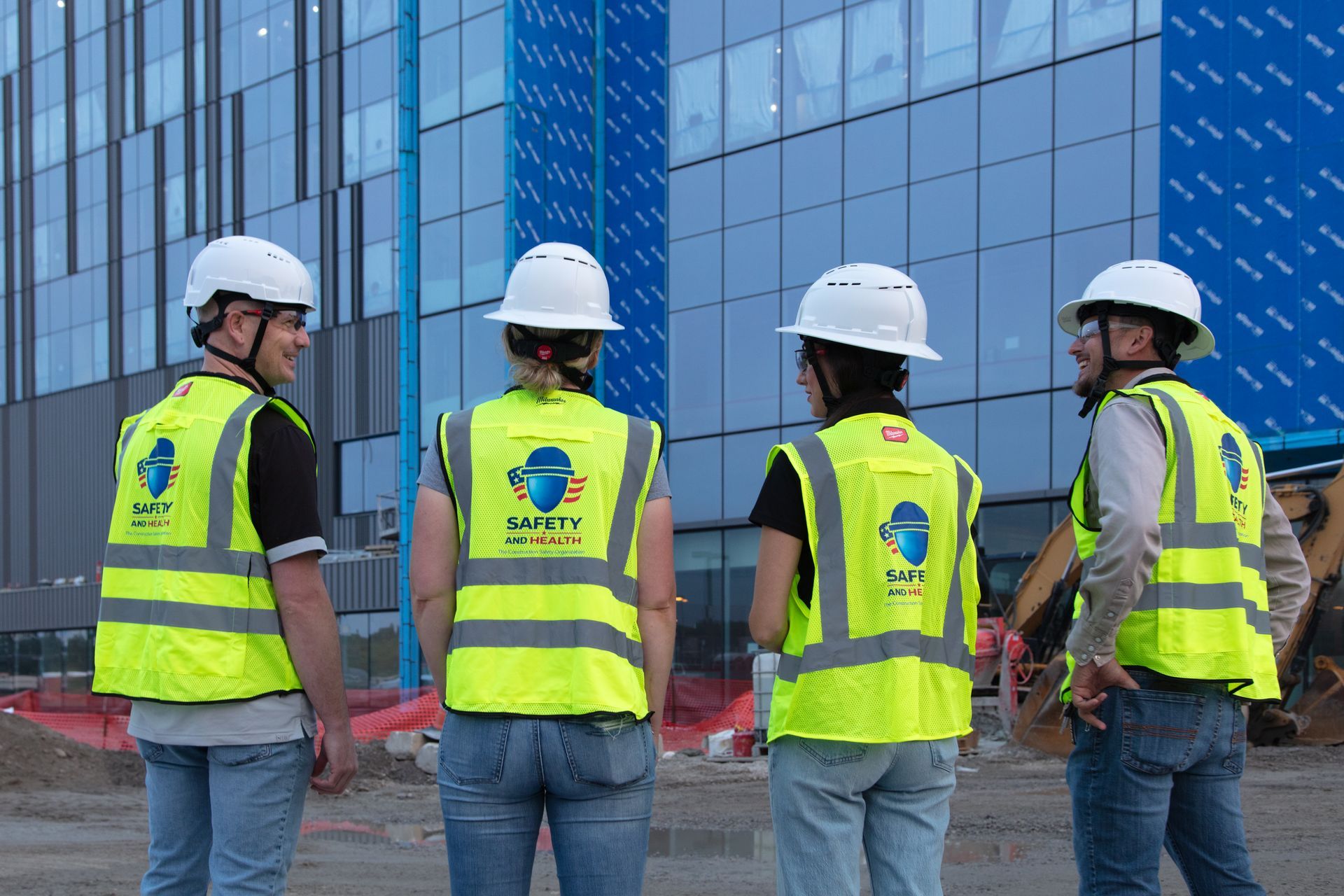
Since 2023, I've had the privilege of representing CIASP at events across the country, speaking with contractors, trade associations, and other construction organizations. The largest audience I've addressed was nearly 900 employees working on a data center project. Getting the attention of 900 construction workers at 8:00 in the morning is no small task!
Looking back on these presentations, two themes consistently stand out: the industry's deeply rooted "tough guy" culture and the untapped potential of Employee Assistance Programs (EAPs).
Whenever I tell people that construction has one of the highest suicide rates of any industry in the United States, they're almost always surprised. Their first question is, "Why construction?"
The answer isn't simple. There are many contributing factors, including workplace injuries that can lead to opioid use, higher rates of substance misuse, financial pressures, demanding work environments, and an industry workforce made up primarily of men between the ages of 25 and 54—a demographic disproportionately affected by suicide.
But one factor stands above the rest in my experience: the stoic culture that has long defined construction.
I often stand in front of audiences made up mostly of men who have spent their careers solving problems, working through pain, and pushing forward regardless of the circumstances. They're not accustomed to talking about their feelings or asking for help. Many have been taught that strength means handling problems alone.
Ironically, I've learned as much from these presentations as I hope those attending have learned from me.
One experience that has stayed with me occurred during a presentation to a group of homebuilding CEOs in Georgia. As we discussed mental health, one attendee shared a lesson that had changed his life. He said he had learned that it was okay—even healthy—to cry. He described stress like pressure building inside your head until it feels ready to explode. Finding healthy ways to release that pressure had made an enormous difference for him.
Crying may not be everyone's solution, but his message was universal: we all need healthy outlets for stress. Ignoring it doesn't make it disappear.
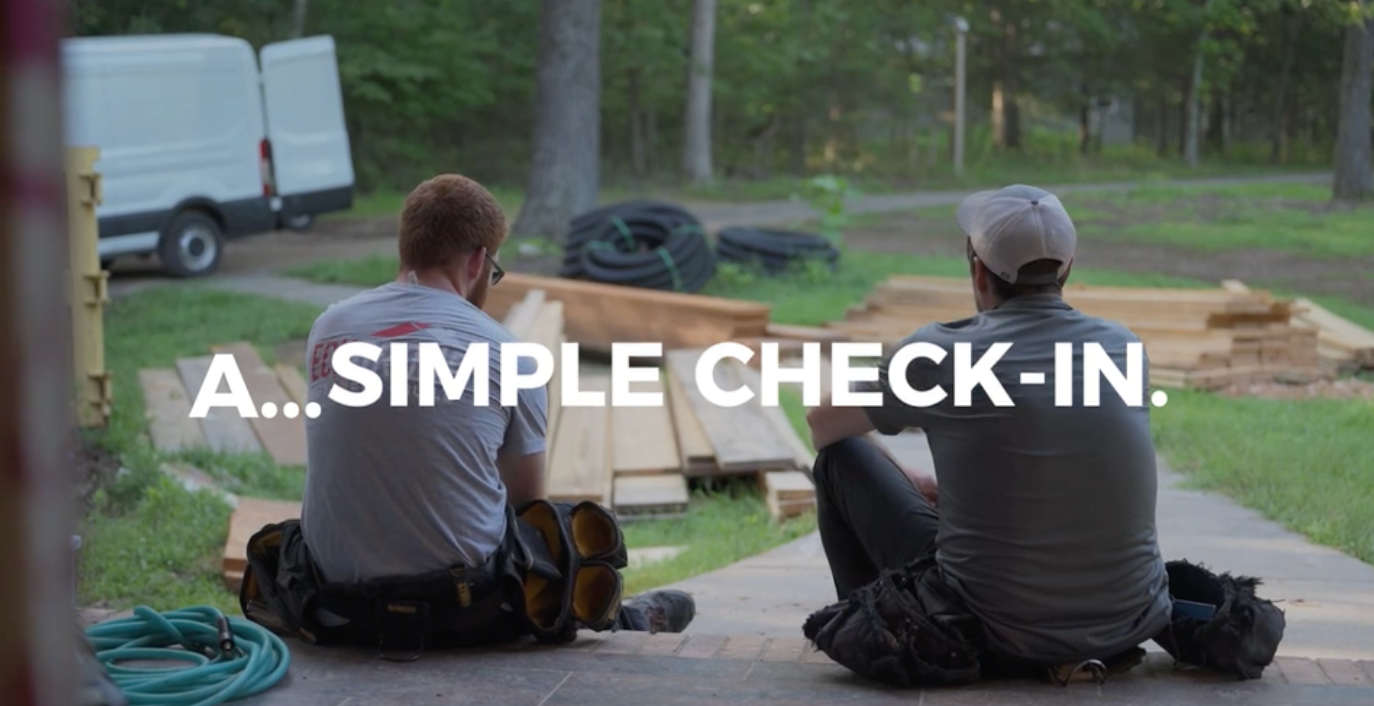
I've also been encouraged to see organizations developing peer support networks within the construction trades, giving workers someone they trust to talk to before a crisis develops. Programs like these help reduce stigma and remind workers that asking for help is a sign of strength—not weakness.
The second lesson I've observed is that many companies offer Employee Assistance Programs, but far too few employees know they exist.
Behavioral health care can be difficult to access, and EAPs are often one of the most valuable resources available to construction workers and their families. Yet when I ask audiences whether they know about their company's EAP, only a small percentage raise their hands.
Having an EAP isn't enough if employees don't know about it. It shouldn't live only in an employee handbook. It should be discussed during onboarding, reinforced during toolbox talks, highlighted during benefits meetings, and communicated throughout the year.
One of the most rewarding moments I've experienced came the day after a presentation for a contractor in Dallas. The organizer called to tell me that three employees had approached him afterward asking how to access the company's EAP because they hadn't realized it existed—and they were ready to seek help.
That conversation reinforced something I've believed for years: awareness saves lives. Resources only work when people know they're available.
Mental health is a complex issue, and I don't pretend to have all the answers. But after years of speaking with construction professionals across the country, I know there are practical steps we can take to improve mental wellness in our industry.
By breaking down stigma, encouraging honest conversations, and making support resources visible and accessible, we can build a construction industry where asking for help is accepted—and where more people get the support they need before reaching a crisis.

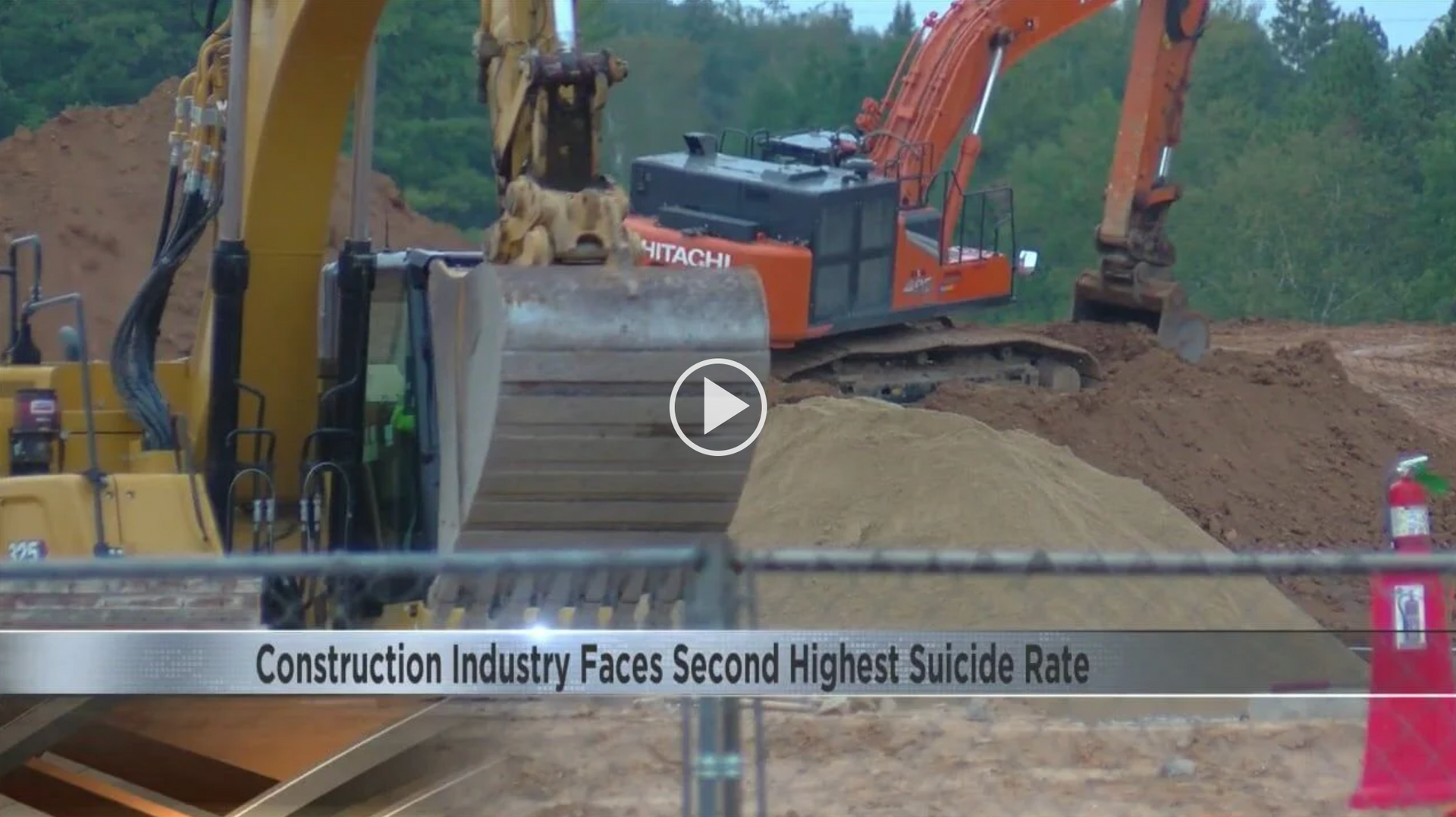
Construction industry faces one of the highest suicide rates, leaders say conversations change lives