
By: Joseph Whiteman, CSP, CHST, Director of Safety Services, American Society of Concrete Contractors
In construction, we take pride in being tough. We work through heat, cold, exhaustion, injuries, deadlines, and pressure. We push through because that is what the industry has conditioned us to do. But somewhere along the way, “pushing through” became confused with staying silent.
That silence is costing lives.
The construction industry continues to face one of the highest suicide rates among all professions. Long hours, physical wear and tear, chronic pain, layoffs, travel, financial stress, substance misuse, relationship strain, and the overall pressure of the work can create the perfect storm for someone already struggling. Yet many workers still feel that speaking up about mental health will be viewed as weakness rather than strength.
The reality is this: mental health is not separate from safety. It is safety.
A worker distracted by stress, anxiety, depression, fatigue, or substance misuse may not only be struggling internally, but may also be at greater risk for injuries, poor decision-making, and incidents on the jobsite. Just as we address fall protection, struck-by hazards, or heat illness prevention, we also need to recognize that mental wellness directly impacts the health and safety of our workforce.
Over the past several years, the construction industry has made tremendous progress in changing the conversation. Organizations like the Construction Industry Alliance for Suicide Prevention (CIASP), along with contractors, trade associations, unions, suppliers, and industry advocates, have helped bring awareness, education, and practical resources directly into the field where they are needed most.
This movement is not only industry-led, but industry-built.
Construction workers do not want corporate buzzwords or generic wellness messaging that feels disconnected from reality. They want honest conversations, practical tools, relatable stories, and leadership that genuinely cares about people beyond production schedules. They want to know that if they raise their hand and say they are struggling, someone will listen without judgment.
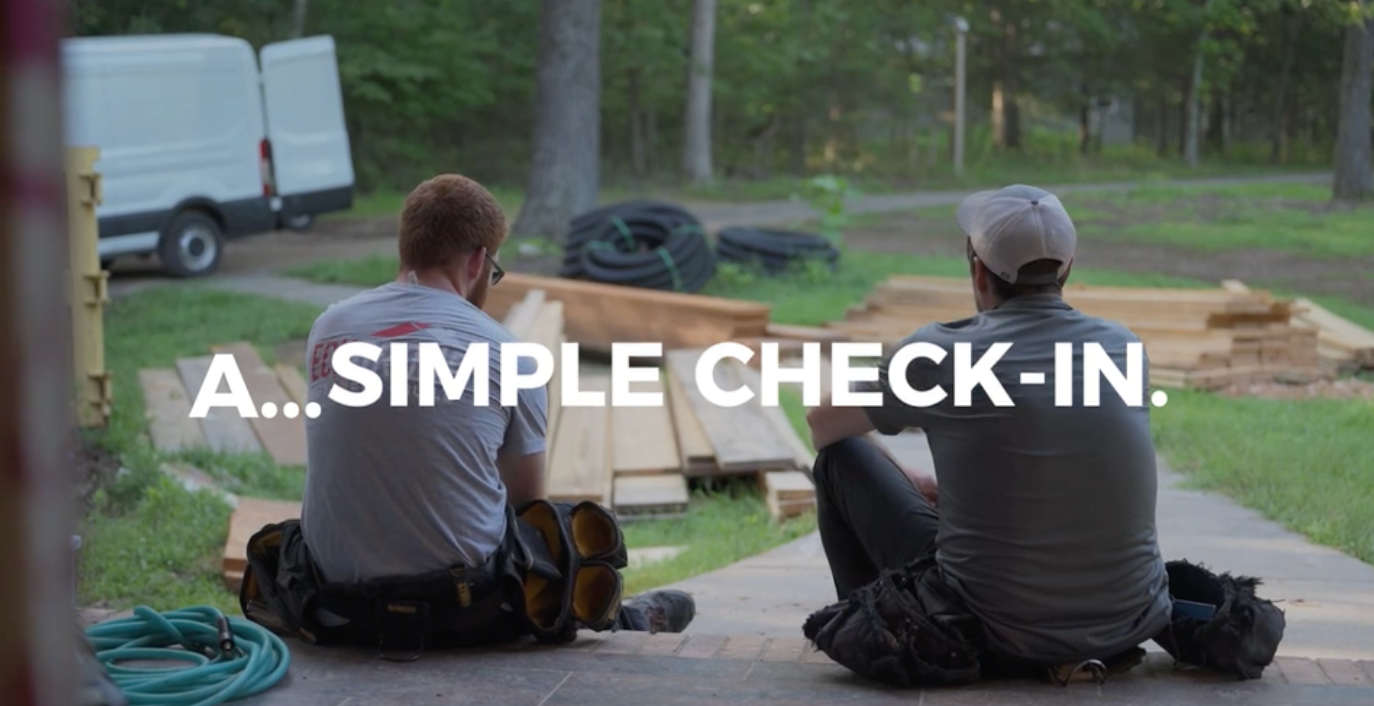
That shift starts with culture. Sometimes it is as simple as a superintendent checking in on someone who seems off, a foreman reminding crews that asking for help is okay, or leadership openly discussing mental health the same way they discuss physical injuries.
The industry is also beginning to embrace a broader “Total Worker Health” approach, recognizing that worker well-being extends beyond compliance and injury prevention alone. Mental health, sleep, fatigue, nutrition, substance misuse awareness, psychological safety, and overall wellness all play a role in keeping workers safe, healthy, and engaged both on and off the job.
I will admit this is something I personally struggle with at times. When you become deeply committed to mental health and suicide prevention efforts, it can be difficult to “turn it off.” The stories, conversations, and losses can follow you home. Many people in advocacy, safety, and leadership roles experience that same weight. It is an important reminder that supporting mental wellness in construction also includes taking care of ourselves and each other along the way.
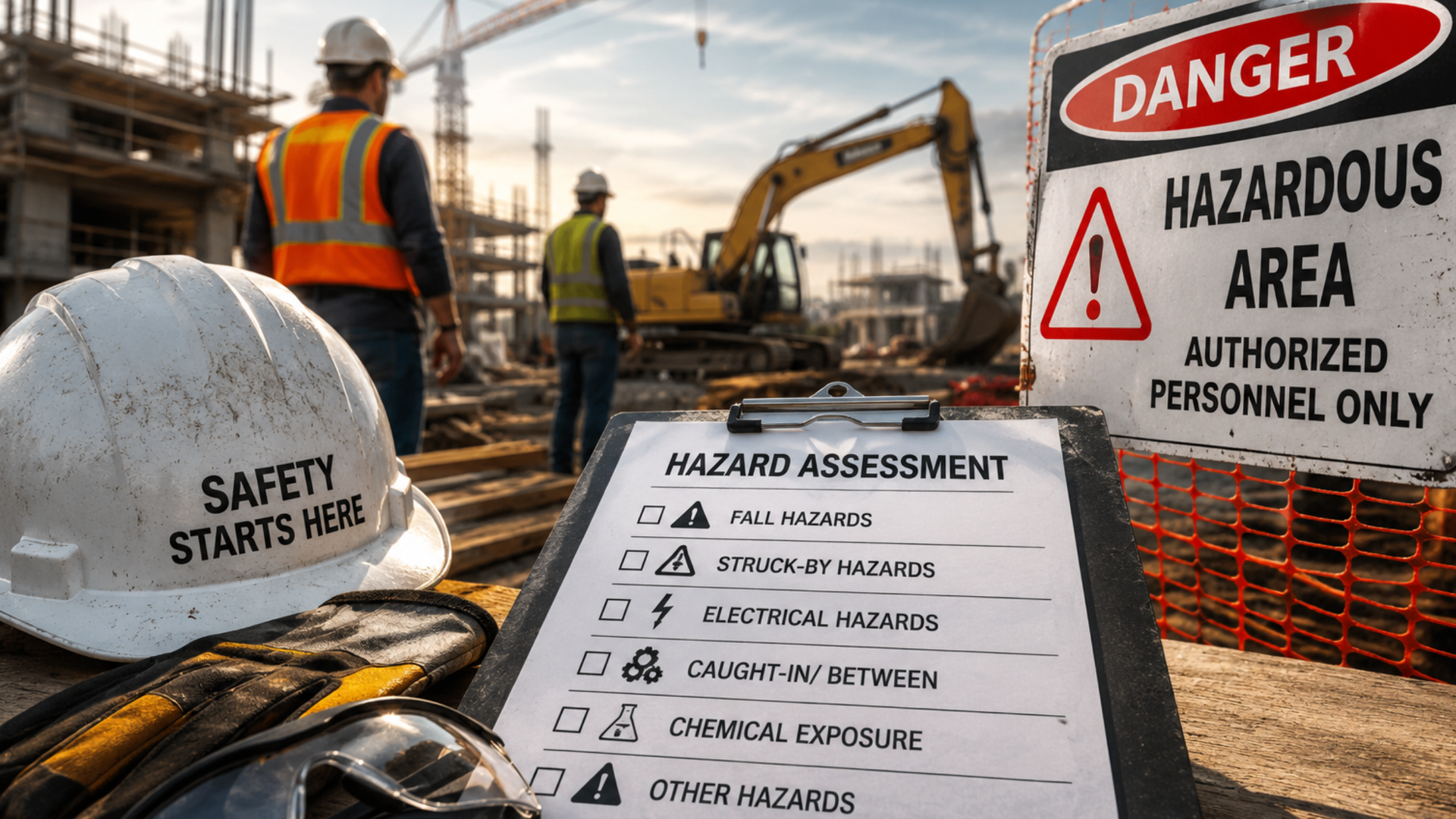
The next evolution of safety in construction is recognizing that protecting workers means protecting both their physical and mental well-being with the same level of commitment and urgency. The industry has become very effective at identifying visible physical hazards, falls, struck-by exposures, silica, electrical hazards, and other high-risk activities. But some of the greatest risks on a jobsite can be the hazards we cannot immediately see.
A worker showing up mentally exhausted, distracted, overwhelmed, emotionally withdrawn, or simply going through the motions can create serious safety concerns not only for themselves, but for everyone around them. In safety, we often refer to this as “presenteeism,” physically being present at work, but not fully engaged mentally or emotionally. In a high-risk industry like construction, that matters. Mental fatigue, chronic stress, complacency, and emotional strain can impact awareness, communication, decision-making, and reaction time in ways that increase the likelihood of incidents and injuries.
That is why mental wellness cannot remain a side conversation or separate initiative. It needs to become part of the overall safety culture, integrated into how we lead, communicate, plan work, support crews, and look out for one another every day.
Every company, regardless of size, should also know where to direct workers in crisis. Resources such as the 988 Suicide & Crisis Lifeline, CIASP materials, peer support programs, and local mental health services should be visible, accessible, and normalized within the workplace.
The construction industry has always been resilient. We solve problems, adapt to challenges, and take care of one another when it matters most. If we truly want safer jobsites, stronger teams, and a healthier workforce, we must continue moving the conversation beyond the helmet and into the human side of construction.
The next generation of safety leadership will require us to protect workers not only from the hazards around them, but also from the unseen challenges they may be carrying with them.
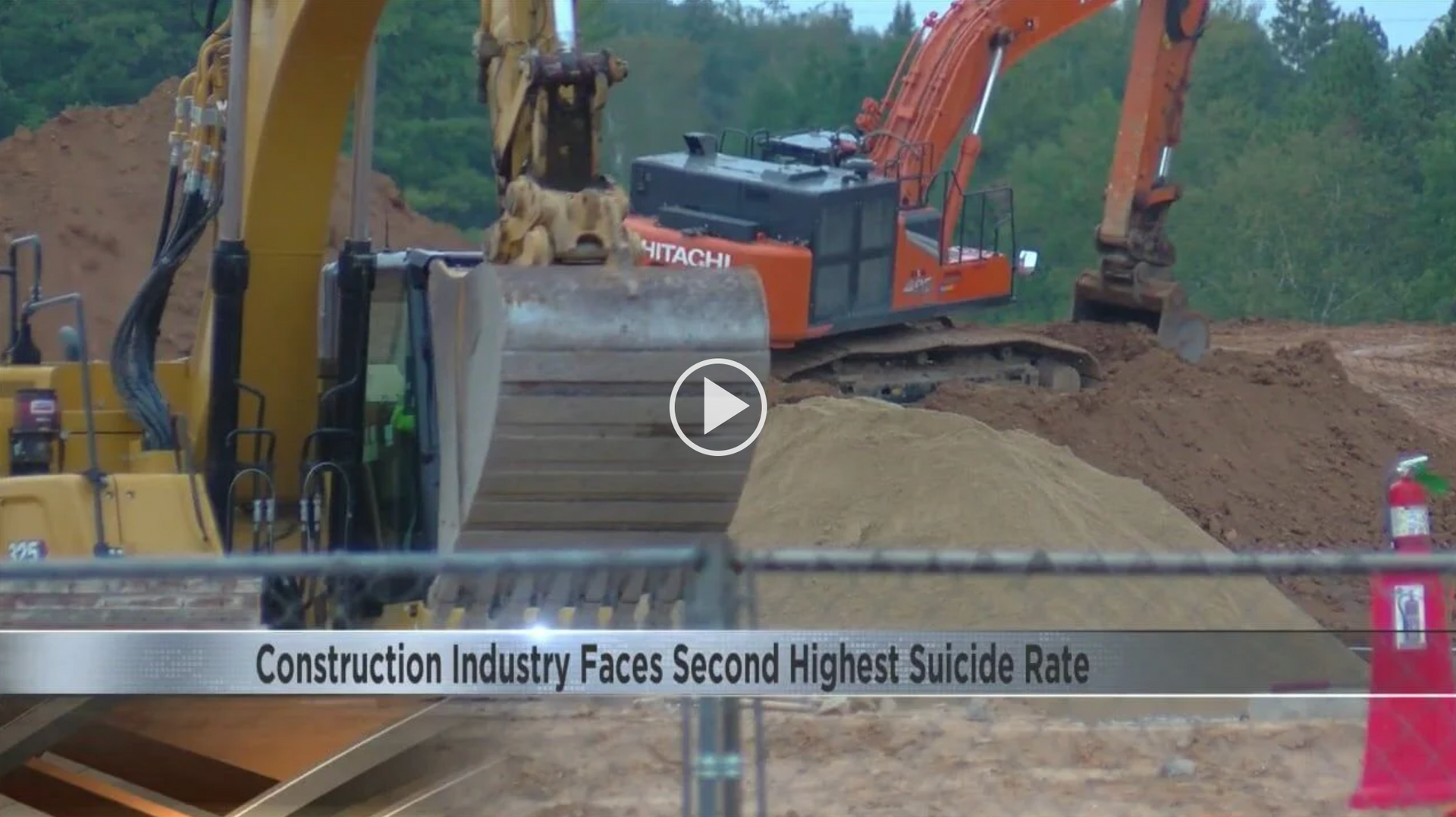
Construction industry faces one of the highest suicide rates, leaders say conversations change lives